In the world of commercial transportation, permit compliance is more than just a box to check—it’s a critical factor that affects operations, safety, and profitability. Yet, even the largest fleets with experienced compliance teams often fall into the same traps. In this post, we’ll break down the 10 permit compliance mistakes big fleets make—and more importantly, how digital solutions like PermiShare can help eliminate them.
1. Relying on Paper Permit Books
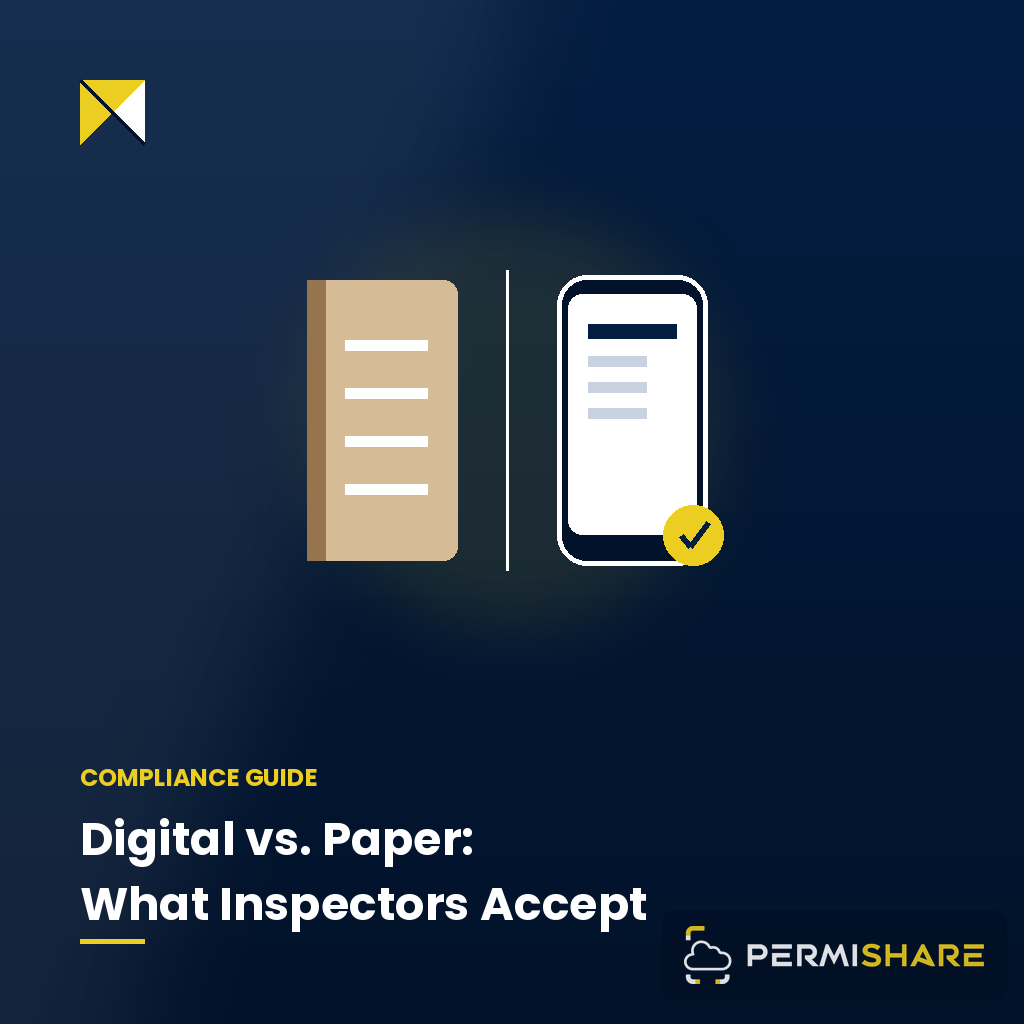
The traditional binder system is outdated and error prone. Paper permits can be easily misplaced, damaged, or become outdated without anyone noticing. This problem leads to costly violations during inspections and unnecessary downtime. Digital permit books like PermiShare provide secure, real-time access to all permits thereby eliminating the need to flip through binders or hunt for documents.
2. Failing to Update Expiring Permits Promptly
Permits have expiration dates and missing one can mean big fines or delayed deliveries. Large fleets often struggle to keep up with expiring permits due to the number of vehicles requiring a valid permit and the various credentials needed. PermiShare offers automated reminders and a centralized dashboard that makes it easier to stay on top of renewals and stay in compliance.
3. Disorganized Permit Storage
Spreadsheets, email chains, and physical files scattered across departments are a recipe for chaos. Without a centralized permit management system, locating a specific document can waste valuable time. With PermiShare, all permits are stored in one secure, cloud-based location that is searchable, sortable, and accessible 24/7 for both administrators and drivers.
4. Lack of Real-Time Access for Drivers
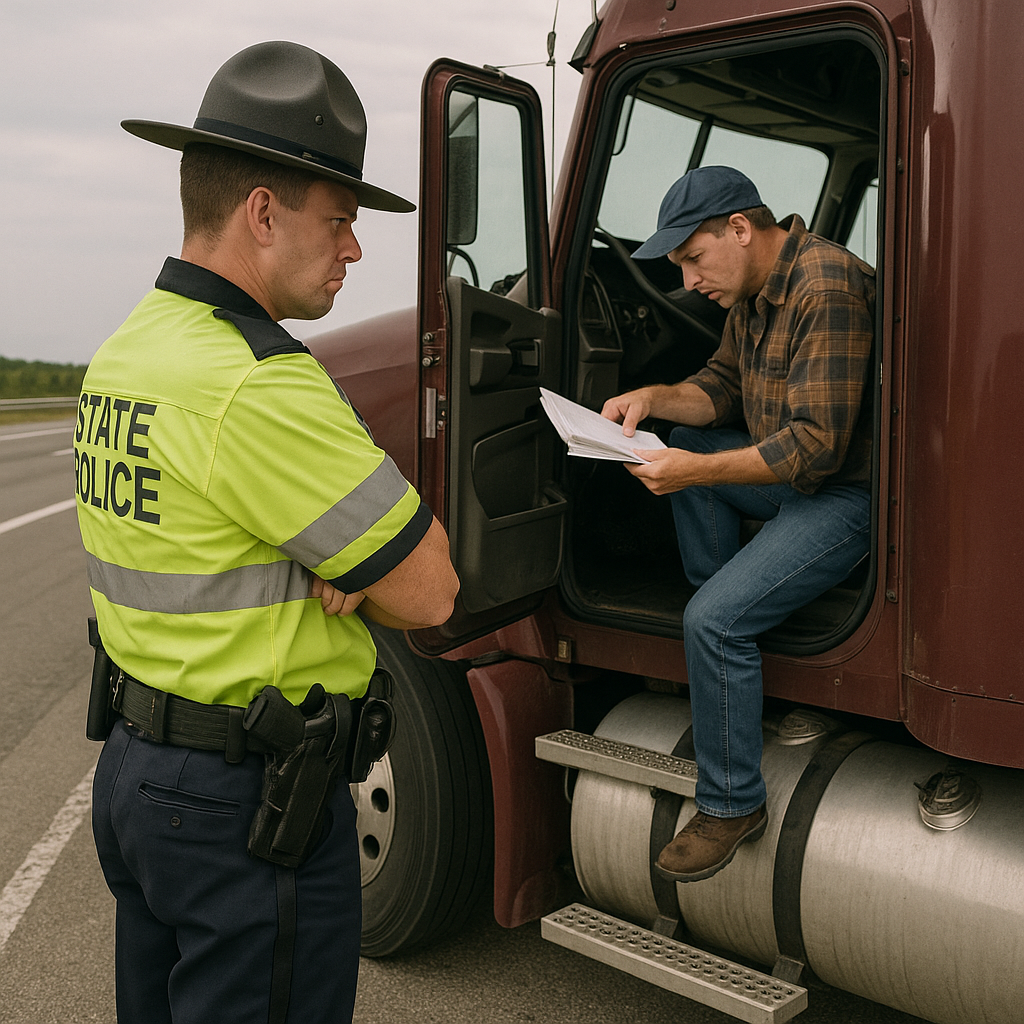
Drivers often get stuck at inspection stations waiting for a permit to be emailed or faxed. This not only delays deliveries but also frustrates your drivers and clients. PermiShare empowers drivers with real-time access to their digital permit book from any mobile device, ensuring they always have the right documents on hand when they need them.
5. Not Accounting for State-Specific Permit Rules
Every state has its own requirements for various types of transportation permits—oversize/overweight (OS/OW), temporary trip permits, fuel permits, agricultural exemptions, and more. For big fleets operating in multiple jurisdictions, this becomes a logistical nightmare. It’s not uncommon for drivers to carry permits that are no longer valid or applicable to the routes they’re traveling. In other cases, the permits might be missing altogether due to gaps in internal communication or manual workflows. By proactively managing state-specific requirements with a centralized, digital platform, PermiShare helps big fleets stay compliant and avoid costly mistakes that stem from this often-overlooked area of permit compliance.
6. Inconsistent Compliance Training
Compliance procedures often vary between terminals or drivers. Without a unified system, there’s no consistency in how permits are managed and used. PermiShare standardizes permit access and procedures across the entire fleet, making training and compliance uniform.
7. Overlooking Internal Audits
Internal audits act as your fleet’s early warning system. They help uncover discrepancies, expired permits, or incomplete documentation before they’re flagged by a DOT inspector or enforcement officer. PermiShare makes it easy to conduct internal audits with all permits being stored in a cloud-based system, making it easy for compliance staff to filter and review permits by vehicle, driver, or expiration status.
8. Delays in Communicating Updated Permits
When a permit is updated, every relevant stakeholder—especially the driver—needs to know immediately. Manual communication is too slow and unreliable. PermiShare automatically pushes updates to each digital permit book in real-time, reducing the risk of outdated documents being used on the road.
9. Poor Visibility for Compliance Managers
When managing a large fleet, visibility into permit compliance across dozens—or even hundreds—of vehicles is essential. Yet many compliance managers are left in the dark, relying on fragmented systems, spreadsheets, and manual updates that can’t keep up with the demands of real-time operations. This lack of centralized insight is one of the most serious permit compliance mistakes big fleets make, and it can lead to overlooked expirations, missing documents, and unexpected violations.
10. Ignoring the ROI of Going Digital
Some fleets stick with paper processes simply because “it’s how we’ve always done it.” But the cost of fines, delays, and manual labor far outweighs the investment in digital tools. PermiShare not only saves time—it protects your bottom line and strengthens compliance. To view PermiShare’s affordable pricing click here!
Avoid the 10 Permit Compliance Mistakes Big Fleets Make—With PermiShare
These 10 permit compliance mistakes big fleets make are not only common—they’re costly. Fortunately, they’re also preventable. With PermiShare, your fleet can simplify permit management, reduce risks, and stay ahead of compliance issues.
Make permit book compliance effortless. Book a demo today to see how PermiShare can transform your fleet’s compliance strategy.